
Key Staff
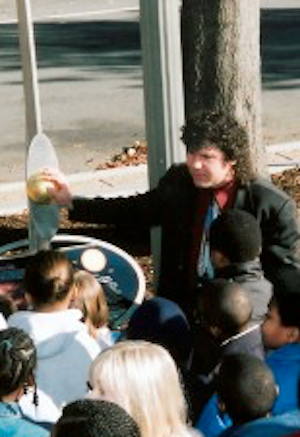
Jeff Goldstein, Ph.D.
Center Director, National Center for Earth and Space Science Education (NCESSE)
Institute Director, Arthur C. Clarke Institute for Space Education
Dr. Jeff Goldstein is a nationally recognized science educator, and planetary scientist, who has dedicated his career to the public understanding of science and the joys of learning.
As NCESSE Center Director, he is responsible for overseeing the creation and delivery of national science education initiatives with a focus on earth and space. These include programs for schools, families, and the public; professional development for grade K-12 educators; and exhibitions for museums and science centers. Initiatives are meant to provide a window on the nature of science and the lives of modern-day explorers, with special emphasis on not just what is known about Earth and space but how it has come to be known. Programs embrace a Learning Community Model for science education.
Jeff oversaw the creation of the Center’s national science education initiatives, including the Student Spaceflight Experiments Program (SSEP), which immerses hundreds of students across each participating community in the real space program. A proposed student-designed microgravity experiment in each community is selected to launch on a SpaceX rocket from Kennedy Space Center in Florida, and be transported to the International Space Station where it is operated by the astronauts.
As Director of the Voyage National Program, he led the inter-organizational team that permanently installed the Voyage model Solar System on the National Mall in Washington, DC, in front of the Smithsonian and is author of the storyboards. The exhibition is dedicated to an understanding of Earth’s place in space. The Center is now permanently installing replicas in communities across the U.S. (see Voyage in DC, Houston, Corpus Christi, and Kansas City.)
Jeff also created, directs, and is the principal presenter for the Family Science Night program at the Smithsonian’s National Air and Space Museum, which has seen participation by over 56,000 attendees from over 200 Washington, DC, metro area schools.
He also oversees Journey through the Universe—a national science education initiative that engages entire communities—students, teachers, families, and the public. The program has engaged 200,000 students in 1,550 schools across the U.S. with 100 Visiting Researchers – scientists and engineers from over 25 research organizations reflecting government, academia, and industry, including 7 NASA Centers.
Jeff was Director for the Center’s activities supporting NASA’s MESSENGER spacecraft mission to Mercury, which included establishment of the MESSENGER Educator Fellows, a corps of master science teachers. The Fellows provided training for 25,000 teachers on curricular content in Solar System science and exploration over the mission lifetime from 2004-15, translating into experiences for over 1 million students..
Jeff’s planetary science research includes the development of techniques for measuring global winds on other planets using large telescopes on Earth. His research has produced the first direct measurement of the global winds above the clouds on Venus, and the first measurement of the global winds on Mars.
Program Director: Student Spaceflight Experiments Program,Voyage National Program, Journey through the Universe, Family Science Night at the Smithsonian’s National Air and Space Museum, MESSENGER Educator Fellowship Program
Blogger: Dr. Jeff’s Blog on the Universe
Contributing Blogger: Huffington Post
Prior: EVP for Space Science Education and Research, Challenger Center (1996-2005); Astrophysicist, Laboratory for Astrophysics, Smithsonian’s National Air and Space Museum (1989-1996), departing as Acting Chair
Degrees: B.A., Physics, Queens College, City University of New York; M.S. and Ph.D., Astrophysics, University of Pennsylvania; recipient of the 1990 Outstanding Ph.D. Thesis Award, U. Penn Chapter, Sigma Xi
Research: 10-micron infrared heterodyne remote sensing of global circulation in planetary atmospheres
Notable: Ph.D. research as NASA Graduate Student Researcher, NASA Goddard Space Flight Center; attended the Bronx High School of Science; 2016 NASA Award for Most Compelling Science on the International Space Station; recipient of the Astronomical Society of the Pacific’s 2005 Klumpke-Roberts Award for “Outstanding Contributions to the Public Understanding and Appreciation of Astronomy”; recipient of the 1995 Barry M. Goldwater Educator of the Year Award from the National Capital Section of the American Institute of Aeronautics and Astronautics for “an individual of national stature who has supported the advancement of science and technology in commerce and education at all levels”; in 1998, part of the NASA AImS team that imaged in the infrared the Star Spangled Banner at the National Museum of American History to identify contaminants, and help guide flag restoration by Museum conservators; proud Zumba / cardio-dance instructor since 2017.
Highlight: Symphony of Science Music Video We’ve Got To Be That Light
A remix of Dr. Goldstein’s keynote address to 6,000 teachers at the National Science Teachers Association (NSTA) National Conference, March 2011.
Highlight: Jeff Goldstein Interview on Human Exploration with the Ewing Marion Kauffman Foundation
Interview with the Ewing Marion Kauffman Foundation’s Kauffman Conversations – “highlight interviews with guests whose ideas and insights are changing society. We are privileged to talk to these thought leaders, innovators, experts and authors and share their observations about their work, lives, and fields of expertise.” The interview addresses the nature of human existence in the greater universe using the context of the Voyage 1 to 10 billion scale model Solar System installed in Kansas City, MO, which is a replica of Voyage on the National Mall in Washington, DC.
Twitter: http//twitter.com/doctorjeff
LinkedIn: http://www.linkedin.com/in/drjeff
Email: jeffgoldstein@ncesse.org
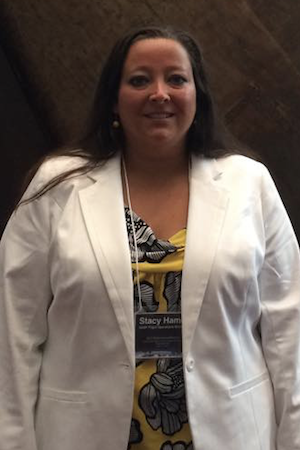
Stacy Hamel
Senior Education Program Manager/SSEP Senior Flight Operations Manager, National Center for Earth and Space Science Education (NCESSE)
As the Senior Flight Operations Manager for the Student Spaceflight Experiments Program (SSEP), Stacy oversees the Flight Operations team and all aspects of SSEP from the microgravity experiment design and proposal competition phase, to proposal review and selection, experiment refinement and validation for flight, launch, on-orbit operations, to experiment return to Earth for harvesting and analysis. Stacy also serves as the liaison to Nanoracks on all flight experiments and activities associated with NASA flight safety review. Stacy manages SSEP international participation through the Arthur C. Clarke Institute for Space Education.
As the Senior Education Program Manager at the Center, Stacy co-directs many of the Center’s Education Programs, including Journey through the Universe – a national science education initiative that engages entire communities—students, teachers, families, and the public—using education programs in the Earth and space sciences and space exploration that inspire and educate. Over 200,000 grade preK-12 students have participated in Journey through the Universe.
Her previous experience at the Center included managing the MESSENGER Educator Fellowship Program, the Center’s nationwide professional development initiative for educators in support of NASA’s MESSENGER mission to Mercury, which trained over 20,000 grade K-12 teachers on solar system science and exploration from program inception in 2004 through the end of the mission in 2015. She also co-directed the Voyage National Program – a national public education and outreach program that is installing replicas of the Voyage Scale Model Solar System located on the National Mall in Washington, DC in communities worldwide. Stacy also oversaw the management of the Center’s Family Science Night program at the Smithsonian’s National Air and Space Museum, which has been running for 25 years, and has seen attendance by over 50,000 students, teachers, and parents.
Notable: MESSENGER Education and Public Outreach Team Member
LinkedIn: https://www.linkedin.com/in/stacyhamelssep/
Email: stacyhamel@ncesse.org

John Hamel
Education Program Manager/SSEP Flight Operations Manager, National Center for Earth and Space Science Education (NCESSE)
John is the Education Program Manager at the National Center for Earth and Space Science Education and a Flight Operations Manager for the Student Spaceflight Experiments Program. As a Flight Operations Manager, John provides logistics support for all phases of flight operations from experiment design and proposal through experiment return to Earth for harvesting and analysis. He also oversees coordination for the annual SSEP National Conference, organization of SSEP delegations attending a launch, the Mission Patch design competitions for each SSEP Mission and contributes to website content development.
In his role as Education Program Manager, he provides logistics and coordination support for NCESSE’s various programs, including the Voyage National Program and Journey through the Universe.
John also manages the Center’s Family Science Night Program at the Smithsonian’s National Air and Space Museum, which has been operating for over 25 years. The program has impacted over 50,000 students, teachers and their families.
John has extensive experience with non-profit education organizations and a certified association management group. He is a graduate of Virginia Tech and spent the early years of his career working directly with pre-school and school-aged children, first as a classroom teacher and later as a Center Assistant Director.
Notable: MESSENGER Education and Public Outreach Team Member
LinkedIn: https://www.linkedin.com/in/john-p-hamel-82405b6/
Email: johnhamel@ncesse.org
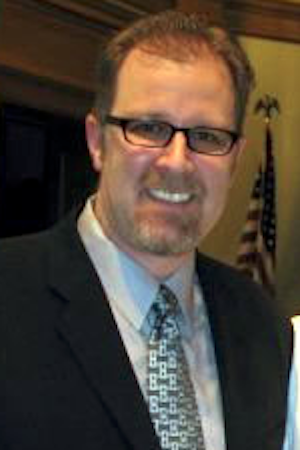
Drew Roman
Director of Educational Technology, National Center for Earth and Space Science Education
Drew Roman is the primary driver of information technology at the Center, from providing the core IT infrastructure, handling the Center’s internet operations to leveraging social media. Drew has over 20 years of enterprise-level IT experience and is an Air Force veteran. When not working with NCESSE, Drew acts as Senior Manager, Cloud Operations at Deltek, Inc. an enterprise software company focused on the needs of project-oriented businesses. His passion for science, technology, engineering and space exploration fuels his enthusiasm for helping to inspire the next generation of explorers.
LinkedIn: http://www.linkedin.com/in/drewroman
Twitter: http://twitter.com/drewmanchu
Adjunct Staff
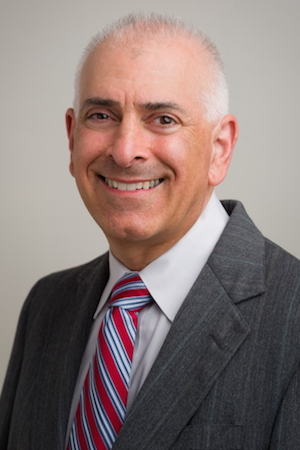
Matthew Bobrowsky, Ph.D.
Adjunct Space Science Researcher, National Center for Earth and Space Science Education
Faculty Member, Delaware State University
Adjunct Professor, University of Maryland Global Campus
Dr. Matt Bobrowsky is a nationally recognized science educator and recipient of multiple awards for teaching excellence. He is the lead author of the Phenomenon-Based Learning books for teaching physical science. Matt teaches various scientific subjects, carries out scientific research, and engages in numerous public speaking events. Currently at Delaware State University (DSU), recent experience includes serving as Director of the Physics Demonstration Facility at UMCP, a collection of 1,600 science demonstrations.
Matt teaches at DSU and the University of Maryland Global Campus (formerly UMUC), where he has received multiple awards (an example). He has developed science curriculum materials and presented countless workshops to teachers and the public. His educational presentations address topics such as the process of science, misconceptions in science, effective science teaching and science vs. pseudoscience.
His public presentations on astronomy are entertaining and educational. Matt also delivers other types of presentations, such as after-dinner talks for corporate events. Read about his keynote address at the opening of the Heavens Above exhibit at the State University of NY at Geneseo.
As an astrophysicist, Matt’s research includes astronomical observations with many telescopes, including the Hubble Space Telescope. His specialty is the study of planetary nebulae – clouds of gas expanding outward from aging stars. One planetary nebula that he discovered using Hubble is the Stingray Nebula.
Degrees: B.A., Physics and Astronomy, Northwestern University; M.S. and Ph.D., Physics and Astronomy, University of Maryland
Research: Planetary Nebulae; Astronomy Education
Notable: Hubble Space Telescope Observer
Keynote Speaker at 2009 conference of the West Virginia Science Teachers Association and featured presenter at conference of the MN Science Teachers Association; Won the UMD Stanley J. Drazek Teaching Excellence Award (given to the top two instructors out of ~800)
Email: mbobrowsky@desu.edu
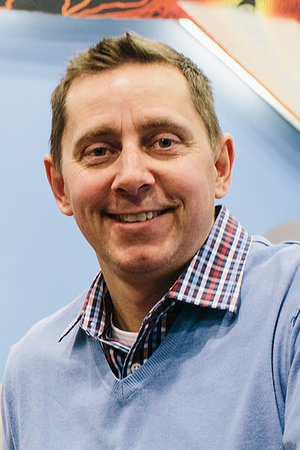
Michael Hulslander
Adjunct Space Science Educator, National Center for Earth and Space Science Education
How Things Fly Manager, Smithsonian National Air and Space Museum
Mike is responsible for STEM education in the Museum’s How Things Fly gallery, which teaches visitors about the science of flight. Mike has also taken a leading role in helping to reimagine all 23 galleries and presentation spaces as part of the seven-year project to transform the National Mall Building for a new generation of visitors. Mike has worked in museums and zoos for more than 29 years, researching, writing, presenting and evaluating STEM programs for school groups, educators, families, and the general public.
Michael is also an adjunct faculty member at the National Center for Earth and Space Science Education, and he oversees all museum activities for the annual National Conference for the Center’s Student Spaceflight Experiments Program (SSEP) held at the National Air and Space Museum each July. He also serves as a Science Education Advisor to the Student Spaceflight Experiments Program.
Notable: Author of How Things Fly website
Presenter, Creative Mornings Washington D.C.
LinkedIn: https://www.linkedin.com/in/michael-hulslander-42b9a016/
Email: HulslanderM@si.edu
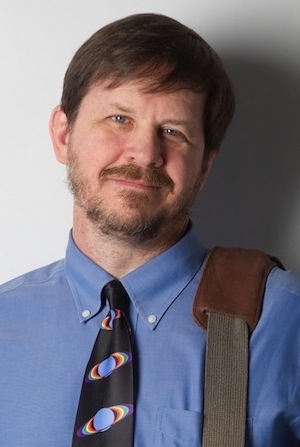
Timothy Livengood, Ph.D.
Adjunct Space Science Researcher, National Center for Earth and Space Science Education
Associate Research Scientist, University of Maryland, College Park
Tim Livengood is a planetary scientist at the University of Maryland and Goddard Space Flight Center, working with optical and nuclear remote-sensing methods to measure the composition, temperature, and wind velocity in planetary atmospheres from Earth- and space-based platforms. He is the principal investigator for the Submillimeter Solar Observation Lunar Volatiles Experiment being developed at GSFC as a landed experiment to measure the tenuous lunar water atmosphere. Tim is also a co-investigator on several other operating or developmental instrument programs, including the Lunar Exploration Neutron Detector (LEND), the Submillimeter Enceladus Life Fundamentals Instrument (SELFI), Detecting Objects’ Water by Spatial Epithermal-neutron Response (DOWSER), and Surface and Exosphere Alteration by Landings (SEAL). He has inherited the mantle of PI for the Heterodyne Instrument for Planetary Winds and Composition and has recently published a paper using HIPWAC data to demonstrate a variation in oxygen isotope ratios in Mars atmosphere due to ground temperature. Tim was a co-investigator of NASA’s EPOXI mission, for which he was the education and public outreach team leader on the EPOCh component (Extrasolar Planets Observation and Characterization), and he was King of the Earth for EPOXI observations of Earth and Mars as exoplanet analogs. Tim also has a very public hobby as a storyteller and organizer of storytelling events, especially The Grapevine Storytelling Series in Takoma Park.
Degrees: B.A., Physics, Washington University; M.S. and Ph.D., Physics and Astronomy, Johns Hopkins University
Research: Temperature, Composition, Wind, and Seasons in Planetary Atmospheres, as well as Auroras and Impacts
Notable: NASA EPOXI Mission
EPOXI/EPOCh Education and Public Outreach Team Leader
Dr. Tim starring in Kelly’s music videos
Email: timothy.a.livengood@nasa.gov
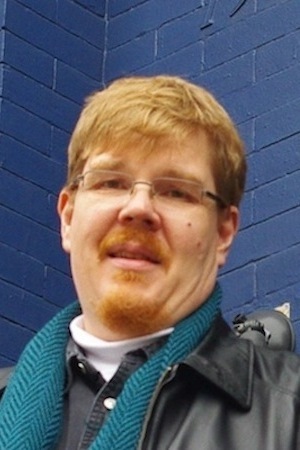
Harri Vanhala, Ph.D.
Adjunct Space Science Researcher, National Center for Earth and Space Science Education
Senior Subject Matter Expert, Arctic Slope Technical Services
Originally from Finland, Harri received his Ph.D. in astronomy from the University of Oulu. Harri has worked in various research and education organizations in the Unites States for 16 years. His science research focuses on the use of computer simulations to investigate the origin of the Solar System, and development of computer models to investigate the properties of present-day planets.
His science education activities have included hundreds of visits to grade K-12 classrooms, conducting teacher training workshops, teaching college courses, and presentations to families and the public—he is one of the presenters for the Center’s Family Science Night program at the Smithsonian’s National Air and Space Museum. Dr. Vanhala has also led multiple Journey through the Universe National Teams of scientists and engineers to under-served communities across the U.S., each Team spending an entire week in a community and talking to thousands of grade K-12 students one classroom at time.
Until 2012, Harri managed the Center’s MESSENGER Educator Fellowship Program, Family Science Night Program at the Smithsonian’s National Air and Space Museum, and served as the National Program Manager for the Student Spaceflight Experiments Program. Currently, Harri is working as a Senior Subject Matter Expert at Arctic Slope Technical Services, working with NASA’s Human Exploration and Operations Mission Directorate (HEOMD) and Space Technology Mission Directorate (STMD). Harri continues on staff at the Center as an Adjunct Space Science Researcher, and participates in the delivery of the Center’s education and public outreach programs. He also serves as a Science Advisor to the Center’s Student Spaceflight Experiments Program.
Degrees: M.Sc., Ph.Lic., and Ph.D. in Astronomy, University of Oulu, Finland
Research: The origin of the Solar System, Star and Planetary System Formation, Interstellar Medium
Notable: MESSENGER Education and Public Outreach Team Member
NASA Human Exploration and Operations: NASA physical sciences research program, including soliciting new investigations to be conducted on the International Space Station and using the NASA Physical Sciences Informatics system
NASA Technology Mission Directorate: NASA Flight Opportunities, STMD public-private partnership programs (including Tipping Point and Announcement of Collaboration Opportunity)
Recipient of 2016 NASA Group Achievement Award
Email: harri.vanhala@nasa.gov
Adjunct Staff – Student Spaceflight Experiments Program

Michelle M. Brooks, Ph.D.
Adjunct Staff Member, National Center for Earth and Space Science Education
Senior Manager, ACS Approval Program, American Chemical Society
Currently, Michelle manages and administers the undergraduate chemistry approval program for institutions in the United States. Her team and a team of ACS members develop the guidelines that define excellence in chemistry education. They establish processes for both applying for and maintaining ACS Approval and provide examples of best practices in chemistry education pedagogy. Her role at ACS includes a wide array of responsibilities including management, evaluation and analysis of institutional data sets, communication with the broader chemistry community on current educational practices and the development of evaluative measures for assessment of chemistry undergraduate programs.
Degrees: B.S. in Biochemistry, M.S. in Chemistry, Ph.D. in Chemistry
Research: Chemical Education
LinkedIn: https://www.linkedin.com/in/michelle-brooks-72ab767/
Email: m_brooks@acs.org
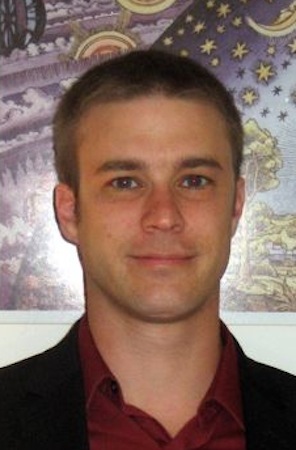
Daniel Crooks, Ph.D.
Adjunct Staff Member, National Center for Earth and Space Science Education
Staff Scientist, Urologic Oncology Branch, Center for Cancer Research, National Cancer Institute
Dr. Crooks conducts translational research on familial renal cancer syndromes in the Urologic Oncology Branch located at the NIH Clinical Center in Bethesda, MD. Current research is primarily focused on hereditary cancers caused by mutations in the Krebs cycle enzymes fumarate hydratase and succinate dehydrogenase. The goal is to utilize stable isotope-resolved metabolomics to identify metabolic alterations in human tumors and tumor cells that can offer new therapeutic possibilities for this unique patient population.
Long term research interests include development and utilization of nuclear magnetic resonance spectroscopy and ultra-high resolution mass spectrometry platforms for metabolic analyses in human tissues and cells. The focus is on atom-level resolution of metabolic transformations using stable isotope labeling of human tumor tissue both in vivo and ex vivo.
Previous research included studies of the cellular machinery responsible for biosynthesis of iron-sulfur (FeS) clusters. FeS clusters are ancient molecular cofactors involved in diverse and essential cellular functions including electron transfer, enzymatic catalysis, and regulation of cellular iron and oxygen metabolism. Dr. Crooks investigated the role of FeS clusters in red blood cell development and in patients with hereditary mitochondrial myopathy caused by mutation of the FeS scaffold protein ISCU.
Degrees: B.A. Molecular, Cellular and Developmental Biology, University of California, Santa Cruz; M.S. Environmental Toxicology, University of California, Santa Cruz; Ph.D. Biochemistry, Georgetown University
Research: Cancer Metabolism, Mitochondrial Metabolism, Iron Sulfur Clusters, Cellular Respiration, Hereditary Diseases
Notable: Interests related to human spaceflight include conceptual strategies for effective culture of mammalian cells in microgravity utilizing minimal resources and astronaut interaction, and to gain a better understanding of the influence of microgravity and altered atmospheric oxygen levels on cellular energy metabolism in human tissues and cultured cells.
Email: danRcrooks@yahoo.com

Daniel J. Dwyer, Ph.D.
Adjunct Staff Member, National Center for Earth and Space Science Education
Assistant Professor, University of Maryland, College Park
Dan is an Assistant Professor at the University of Maryland with appointments in the Department of Cell Biology & Molecular Genetics and the Institute for Physical Sciences and Technology. He was hired as part of a cluster hire in Quantitative Biology after training with National Academy of Science members, Dr. James Collins and Dr. Graham Walker. His Ph.D. was earned from the Molecular Biology, Cellular Biology and Biochemistry (MOCB) program at Boston University, where he was also an NSF Research Training Grant post-doctoral fellow in the Department of Math & Statistics.
The Dwyer Laboratory (www.dwyerlab.umd.edu) combines systems and synthetic biology approaches with traditional microbiology methods to develop a predictive understanding of bacterial metabolism under stress. We are most interested in applying these approaches to address questions associated with antibiotic resistance and antibiotic mode-of-action. For example, the lab investigates how bacteria remodel their metabolism to support carrying and expressing genes that confer resistance to clinically relevant antibiotics. We also study the role of secondary metabolic responses to antibiotic stress in susceptible bacteria to determine the contribution of off-target damage to bioenergetic collapse and cell death. We are strongly motivated by the spread and evolution of resistance, as well as family members who have been hospitalized with antibiotic resistant infections, to identify unique metabolic targets for novel therapies, enhancement of current therapies and preservation of our antibiotic arsenal.
Degrees: Ph.D. (Molecular Biology, Cell Biology and Biochemistry Program, Boston University, 2007)
Research: Antibiotic Resistance, Antibiotic Mode-of-action, Systems Biology, Synthetic Biology
Notable: Dr. Dwyer was a lead contributor to the development of the first RNA synthetic biology device, among the first to apply biological network approaches to gene expression analysis of bacteria under stress, and a lead author on papers to first propose that bacterial cell death following antibiotic challenge involves metabolic inefficiencies that stimulate reactive oxygen species generation.
LinkedIn: https://www.linkedin.com/in/daniel-dwyer-a554ab4b/
Email: djdwyer@umd.edu
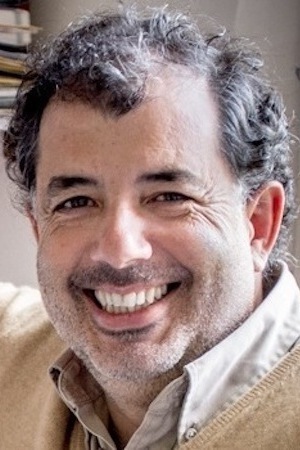
Jose A. Feijo, Ph.D.
Adjunct Staff Member, National Center for Earth and Space Science Education
Professor, University of Maryland
Professor of Cell Biology, Plant Physiology and Scientific Reasoning and Models in Biology. Active Scientific Researcher in the areas of Plant Biology, Plant Reproduction, Cell and Developmental Biology, Cellular Biophysics, Biological Imaging, Plant Electrophysiology (representative references and impact in).Organizer and Co-organizer of more than 20 International Courses in Plant Development, Biological Imaging and Biophysics of Development, the latter at the University of Maryland. Active organizer of societal interfaces of various scientific aspects, including multiple high impact initiatives for Darwin’s bicentenary (2009-12) and founding and scientific board member for Biology of the most visited science education portal in Portuguese (www.casadasciencias.org) and sole editor for Biology of its satellite site for translated nomenclature (wikiciencias.casadasciencias.org) (2008-2014). Promoter of exhibitions and workshops in the interfaces between science and art, mostly recently the exhibition “Worlds Within” by British artist Rob Kesseler (https://cmns.umd.edu/news-events/events/4053), later acquired by crowd funding and alumni patronage and now the patrimony of the Biology Community and general public at the BioSciences Research Building in the University of Maryland (College Park).
Degrees: MSc. Plant Biotechnology; PhD. in Cell Biology
Research: Plant Biology, Plant Reproduction, Cell and Developmental Biology, Cellular Biophysics, Biological Imaging, Plant Electrophysiology
Notable: Full-Bright Fellow; Fellow of the Linnean Society (London); Awarded multiple fellowships and a prizes by various societies in Portugal and international. Over the past decade delivered over a 120 seminars and conferences in the most reputed Departments/Universities all over the 5 continents and in the most significant Congresses/Symposia in the areas of expertise.
Email: jfeijo@umd.edu
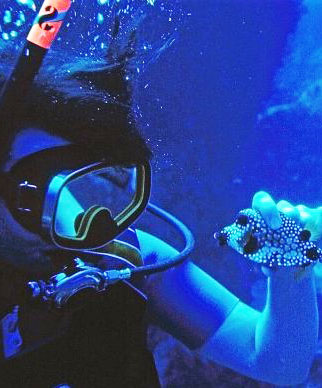
Ann S. Hobbs, Ph.D., J.D.
Adjunct Staff Member, National Center for Earth and Space Science Education
Biochemist and Patent Attorney (retired)
Ann Hobbs holds a Ph.D. in Biophysics from the University of Maryland at Baltimore, and devoted a number of years to biochemical and physiological research on cation transport across cell membranes, in particular the sodium-potassium pump. A large part of her scientific career was spent at the National Institutes of Health and the University of Maryland Medical School. Dr. Hobbs subsequently earned a J.D. from the University of Maryland School of Law and became a patent attorney, her legal practice focusing on medical, biotechnological and pharmaceutical inventions. She spent several years in the Office of Technology Transfer at NIH before moving to private practice. She is a former partner of Venable LLP, Washington, D.C.
Degrees: Ph.D. Biophysics, University of Maryland at Baltimore; J.D. University of Maryland School of Law
Email: Hobbs_ann@msn.com
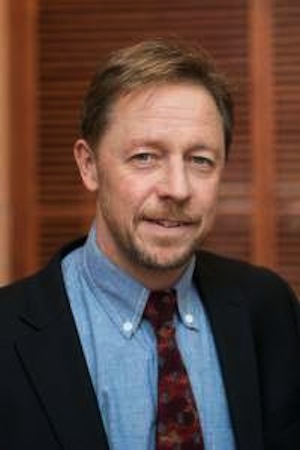
Jeff Leips, Ph.D.
Adjunct Staff Member, National Center for Earth and Space Science Education
Professor, Department of Biological Sciences, University of Maryland, Baltimore County
The primary research interest in my lab focuses on understanding genetic basis of natural variation in aging. In particular, we are focused on identifying the genes that influence the age-related declines in the ability to fight infection, reproduction, and physical performance traits such as strength speed and endurance. We use the fruit fly as a model organism given its short life span, wide array of genetic tools and the fact that over 60% of the genes in Drosophila are shared with vertebrates like humans. We utilize a variety of genomic tools including genome wide association mapping and transcriptomics with follow up functional genetic tools to understand how these genes affect the focal trait.
Degrees: Bachelor of Science, Florida State University; Ph.D., Florida State University
Research: Life History, Aging, Genetics, Evolution, Ecology, Genetic Mapping
Notable: 98 Rock podcast on “Why don’t dogs live that long”
Leips Lab Homepage: https://leipslab.umbc.edu/
LinkedIn: https://www.linkedin.com/in/jeff-leips-24903a8a/
Twitter: https://twitter.com/jeffleips
Email: leips@umbc.edu
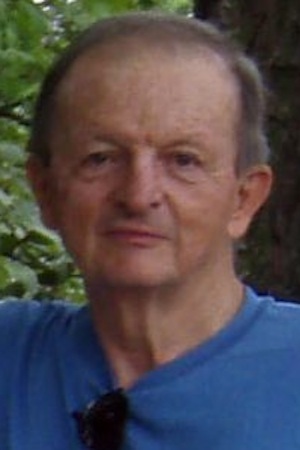
David Livengood, Ph.D.
Adjunct Staff Member, National Center for Earth and Space Science Education
Retired, Former Chairman of Physiology and Cellular Radiobiology, Armed Forces Radiobiology Research Institute
Dr. Livengood’s science career spans nearly 50 years from student to department Chairmen and retirement. Over that time he has been mainly interested in cellular neurobiology and biophysics of membrane function, with particular interest in synaptic transmission and the function of the sodium/potassium exchange pump in neuronal tissue. These interests include how toxins and heavy metals may interact at both the membrane pumps and at both pre and post synaptic membranes.
Research: Synaptic Transmission, Cellular Control of Ion Distribution
Email: David_livengood@msn.com
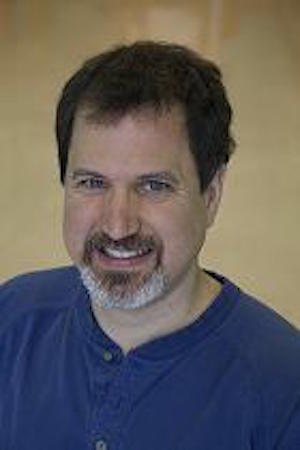
David M. Loeb, M.D., Ph.D.
Adjunct Staff Member, National Center for Earth and Space Science Education
Associate Professor, Pediatrics and Associate Professor, Developmental and Molecular Biology, Albert Einstein College of Medicine; Chief, Pediatric Hematology, Oncology and Cellular Therapy, Children’s Hospital at Montefiore
David Loeb, MD, PhD, is Chief, Division of Pediatric Hematology, Oncology and Marrow and Blood Cell Transplantation at Children’s Hospital at Montefiore. He is also an Associate Professor of Pediatrics and Associate Professor of Developmental and Molecular Biology at Albert Einstein College of Medicine. As Director of the Sarcoma Program, he focuses on tumors of connective tissue, such as bone and muscle. He also has expertise in the care of children with other solid tumors. A member of the bone marrow transplantation team, Dr. Loeb also cares for patients with acute leukemias and has expertise in the application of immunotherapy to childhood cancer.
Dr. Loeb’s research focuses on understanding bone tumor metastasis. His laboratory developed a clinically relevant mouse model of sarcoma metastasis, and has used this model to perform preclinical testing of novel agents that can interfere with this process. In particular, active research projects are investigating the role of the Wnt signaling pathway in metastasis of both osteosarcoma and Ewing sarcoma. He also studies the role of an enzyme called RNA helicase DDX3 in Ewing sarcoma biology, especially how this enzyme affects the repair of damaged DNA. Dr. Loeb’s original research, based on his clinical studies, has been published in multiple journals and books.
Degrees: BA, Biology, Johns Hopkins University; Doctor of Philosophy in Pathology and Doctor of Medicine, Columbia University. In 1994, he also began an internship in Pediatrics at the Johns Hopkins University School of Medicine, followed by a residency in 1995 and a fellowship in Pediatric Hematology Oncology at the same institution.
Research: Sarcoma, Cancer, Metastasis, Helicase, DNA Damage Repair
Email: david.loeb@einsteinmed.org
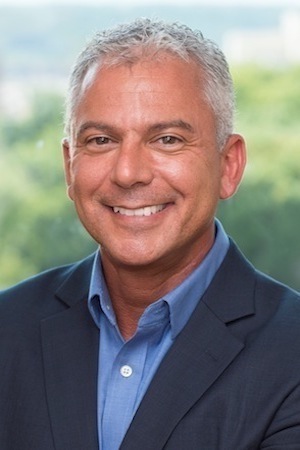
Todd Miller, Ph.D., CSCS*D, TSAC-F FNSCA
Adjunct Staff Member, National Center for Earth and Space Science Education
Associate Professor, The George Washington University Miliken Institute School of Public Health
Todd Miller is an Associate Professor of Exercise and Nutrition Sciences at the George Washington University Milken Institute School of Public Health, and an internationally known expert in the field of Strength & Conditioning. Todd has always had a strong interest in space, and began to formally research the human adaptations to space travel while pursuing his doctoral work at Texas A&M. While working as a Strength coach for the Athletic Department, Todd became interested in learning how the body adapts during exposure to long term space travel. He was specifically interested in what types of exercise countermeasures could be employed to help prevent losses in muscle, bone, and cardiovascular function with long term exposure to microgravity. He took a hiatus from training elite athetes to spend several years working in the lab of Dr. Michael Delp, using rodent models to study how the cardiovascular and musculoskeletal systems respond to simulated microgravity, and what types of exercise interventions might prevent these changes. His specific area of research involved how intramuscular connective tissue adapted to microgravity, and how changes in the mechanical properties of muscle could potentially affect overall muscle performance. His work with NASA culminated in extensive involvement with a rodent experiment that was flown on the ill-fated Space Shuttle Columbia in 2003.
Upon completion of his doctoral work, Todd began a postdoc at the University of Pennsylvania School of Medicine in the department of Microbiology. His research focused on cell signaling mechanisms and the mechanical link between muscle cells and the surrounding extracellular matrix. Todd then briefly took a faculty position at East Stroudsburg University before moving to GWU in 2005. While at GW, Todd developed the master’s degree program in Strength & Conditioning, and currently serves as program director. In 2016 Dr. Miller opened the Weight Management and Human Performance Laboratory at GW’s Virginia Science & Technology Campus in Ashburn VA, and currently serves as the lab director. The goal of the lab is to explore the causes of and contributing factors to obesity and other metabolic disturbances.
Degrees: B.S. Exercise & Sport Science, Pennsylvania State University; Ph.D. Exercise Physiology, Texas A&M University
Research: Exercise Countermeasures, Musculoskeletal Wasting, Cardiac Function and Nutritional Interventions
Notable: Experiment flown on STS-107
Founder, The Miller Method
Veteran, United States Coast Guard; Deployment – Deep Freeze 1987
Featured on Dr. Oz in 2016
Email: todd.miller67@gmail.com
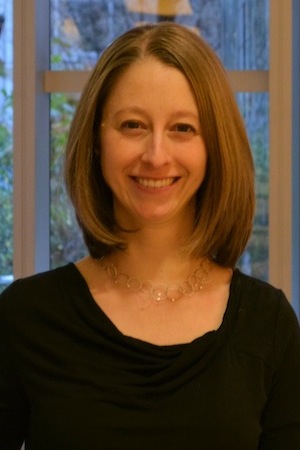
Margaret Scull, Ph.D.
Adjunct Staff Member, National Center for Earth and Space Science Education
Assistant Professor, University of Maryland, College Park
Dr. Scull has been studying viruses for almost 20 years. Her research program at the University of Maryland, College Park focuses on influenza virus and rhinoviruses – a group of pathogens that has a significant clinical impact in the human population, especially the very young, elderly, and those with underlying chronic lung disease. Her laboratory aims to identify and dissect novel virus-host interactions in the airway epithelium–the primary target for infection by respiratory viruses and also our first line of defense at the interface between the external environment and underlying tissues. She has a particular interest in the mucus barrier, epithelial cell type-specific antiviral function, and how innate barriers limit the host range of respiratory viruses. Her research is funded by the NIH and uses a variety of tools to address these questions, including microscopy, viral genetics, and in vitro primary cell model systems.
Degrees: B.S. (Biology), Duke University;
Ph.D. (Microbiology and Immunology), The University of North Carolina at Chapel Hill
Research: Airway Biology; Mucus Barrier; Respiratory Virus-host Interactions; Antiviral Response; Species Restriction of Viruses; Tissue Engineering and Primary Cell Systems
Notable: Dr. Scull has received a Centers for Disease Control and Prevention (CDC) Public Health Research Dissertation Award (2008); Ruth L. Kirschstein National Research Service Award (2010); and Parker B. Francis Fellowship for Advancing Research in Pulmonary and Respiratory Disease (2016).
Email: scull@umd.edu
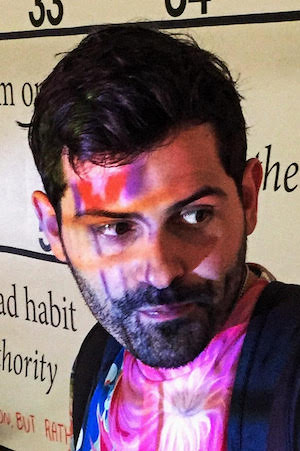
Daniel Serrano, Ph.D.
Adjunct Staff Member, National Center for Earth and Space Science Education
Senior Faculty Specialist, University of Maryland, College Park
Daniel is a biologist-turned-research-coordinator working at the University of Maryland to enhance the career path of future scientists. Under this goal, he coordinates three UMD programs: A Nanoscale Science and Technology fellows program, a Network Biology fellowship (COMBINE) and a Nonlinear Dynamics research program (TREND). Respectively, these programs cater to postdocs, graduate students, and undergraduate students through financial support, mentorship, and a variety of research-related and professional development opportunities. Daniel is involved in all of these facets for the three programs. he is also Program Director of the SSEP branch at UMD, Terps in Space.
More recently, Daniel has been working on an APS/NSF (American Physical Society/National Science Foundation)-sponsored outreach multimedia project to showcase the careers, hurdles, and successes of Hispanic/Latinx physicists across all stages of the career path: Rostros Físicos.
During his PhD work in Biology (with a Bioengineering PhD adviser), Daniel studied how cells and other objects in the bloodstream move to specific parts of the body and cross the blood-tissue barrier. Through a cellular and molecular understanding of these processes, he then explored different ways in which pharmaceutical delivery can be optimized using vehicles that mimic the way our body works.
Degrees: B.S. in Biochemistry, B.S. in Environmental Science (Plant Resources Concentration), M.S. in Cell Biology and Molecular Genetics, Ph.D. in Biological Sciences (Cell Biology Concentration)
Notable: Daniel also helps put together videos (in English and Spanish) for UMD’s Lathrop Lab YouTube channel
Email: dsvolpe@umd.edu
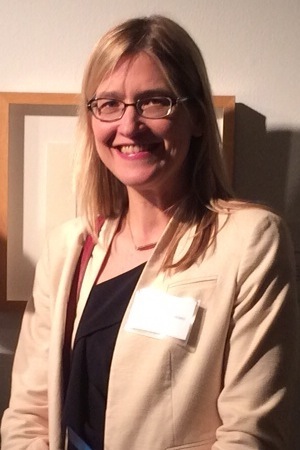
Michelle Starz-Gaiano, Ph.D.
Adjunct Staff Member, National Center for Earth and Space Science Education
Associate Professor of Biological Sciences, University of Maryland, Baltimore County
Dr. Starz-Gaiano and her research team investigate the genetic control of animal development. In particular, her studies focus on understanding how cells adopt different identities and move through complex environments. Cells have to migrate to fulfill their roles, but how do they know when and where to go? How do they crawl and climb through different tissues? The Starz-Gaiano group uses a wide array genetic tools developed in fruit flies to identify new molecules involved in these processes. Interestingly, many of the same genes that regulate development in flies are required in the development of other animals, including humans, so this work may also help us understand similar processes in people. More on her research can be found on the laboratory website (https://starzlab.umbc.edu/). Dr. Starz-Gaiano teaches cell biology and genetics courses, actively participates in the Society for Developmental Biologists (https://www.sdbonline.org/), and is involved in several initiatives to research and improve science and mathematics education at the undergraduate level, for example, the Nexus Institute for Quantitative Biology (https://niqb.umbc.edu/).
Degrees: B.S., Massachusetts Institute of Technology; M.S. and Ph.D., New York University
Research: Genetic Regulation of Organ Development and Cell Migration, Janus Kinase and Signal Transducer and Activator of Transcription (STAT) Molecular Signaling Pathway; Development and Immune Function in Humans
Notable: Dr. Starz-Gaiano serves as the Graduate Program Director for UMBC’s Biological Science Programs.
Email: starz@umbc.edu
Alex Theos, Ph.D.
Adjunct Staff Member, National Center for Earth and Space Science Education
Associate Professor, Department of Human Science, Georgetown University
Alex Theos is an Associate Professor in the Department of Human Science at Georgetown University, and has been involved with NCESSE since the SSEP Step 2 Review Board for Mission 1 to ISS. His father for many years worked as an engineer for the USAF and as a child growing up in the UK, Alex always dreamed of training to be an astronaut. After graduating from Cambridge University with a degree in Natural Sciences (Part II: Cell and Developmental Biology), Alex stayed in Cambridge as a graduate student in the Department of Clinical Biochemistry under the supervision of Dr. Margaret (Scottie) Robinson. In Scottie’s lab he was interested in the role of ubiquitously-expressed cytoplasmic AP-3 adaptor protein complexes in the biogenesis of specialized organelles. He focused on the melanosome, a lysosome-related organelle that is the intracellular site of synthesis and storage of mammalian melanin pigments. Partially albino human patients suffering from a sub-type of the autosomal-recessive multisystem disorder Hermansky-Pudlak Syndrome (HPS) carry mutations that result in non-functional AP-3 complexes. After receiving his doctorate in 2002, Alex left the UK for a postdoctoral fellowship in the Department of Pathology and Laboratory Medicine in the School of Medicine at the University of Pennsylvania. His postdoctoral research, conducted under the mentorship of Dr. Michael Marks, built upon his graduate experience of the pigment cell system focusing on the intracellular membrane trafficking pathways followed by melanocyte-specific integral membrane protein cargoes including tyrosinase and Pmel17. Before joining the faculty at Georgetown as Assistant Professor of Human Science in 2007, he spent a year as a Visiting Assistant Professor at Swarthmore College in the Department of Biology. It was his time at Swarthmore that led him to seek out an academic environment that would focus on undergraduate education and the immersion of undergraduate student trainees in his research (Please visit: https://nhs.georgetown.edu/about/human-science-department/ and https://blogs.commons.georgetown.edu/act45/).
Degrees: B.A. Honors Natural Sciences, University of Cambridge, 1997; Ph.D. Cell Biology (Department of Clinical Biochemistry, University of Cambridge) 2002
Research: Cell Biology, Lysosome-Related Organelles, GPNMB, Membrane Trafficking
Notable: In 2016, Alex’s son Chris was diagnosed with a CRMO (Chronic Recurrent Multifocal Osteomyelitis). Along with other motivated parents of children with this poorly understood rare disease, he and his wife Sarah helped set up the CRMO Foundation, a non-profit organization dedicated to improving outcomes for patients with CRMO. He currently serves as the Chief Scientific Officer for the Foundation, which was selected by the Chan Zuckerberg Initiative to be part of the first cohort of patient-led rare disease non-profits to be in the Rare as One Network. Please visit: https://crmofoundation.org/ and https://chanzuckerberg.com/science/programs-resources/rare-as-one/
LinkedIn: https://www.linkedin.com/in/alexander-theos-5b55541a
Email: alex.theos@georgetown.edu
Kol Zarember, Ph.D.
Adjunct Staff Member, National Center for Earth and Space Science Education
Staff Scientist, National Institute for Allergy and Infectious Diseases
Dr. Zarember’s laboratory work focuses on the roles of neutrophils in host defenses against infectious diseases and in the regulation of inflammation. In addition, Dr. Zarember serves as the Scientific Operations Manager for a large laboratory active in clinical and basic science research on immunology and infectious diseases.
Degrees: Ph.D., New York University School of Medicine
Research: Neutrophil, Innate Immunity, Microbiology, Infectious Diseases, Immunology
Email: kol.zarember@gmail.com